


Blog
Heatwave Pakistan: Best ORS & Medicines to Stay Safe

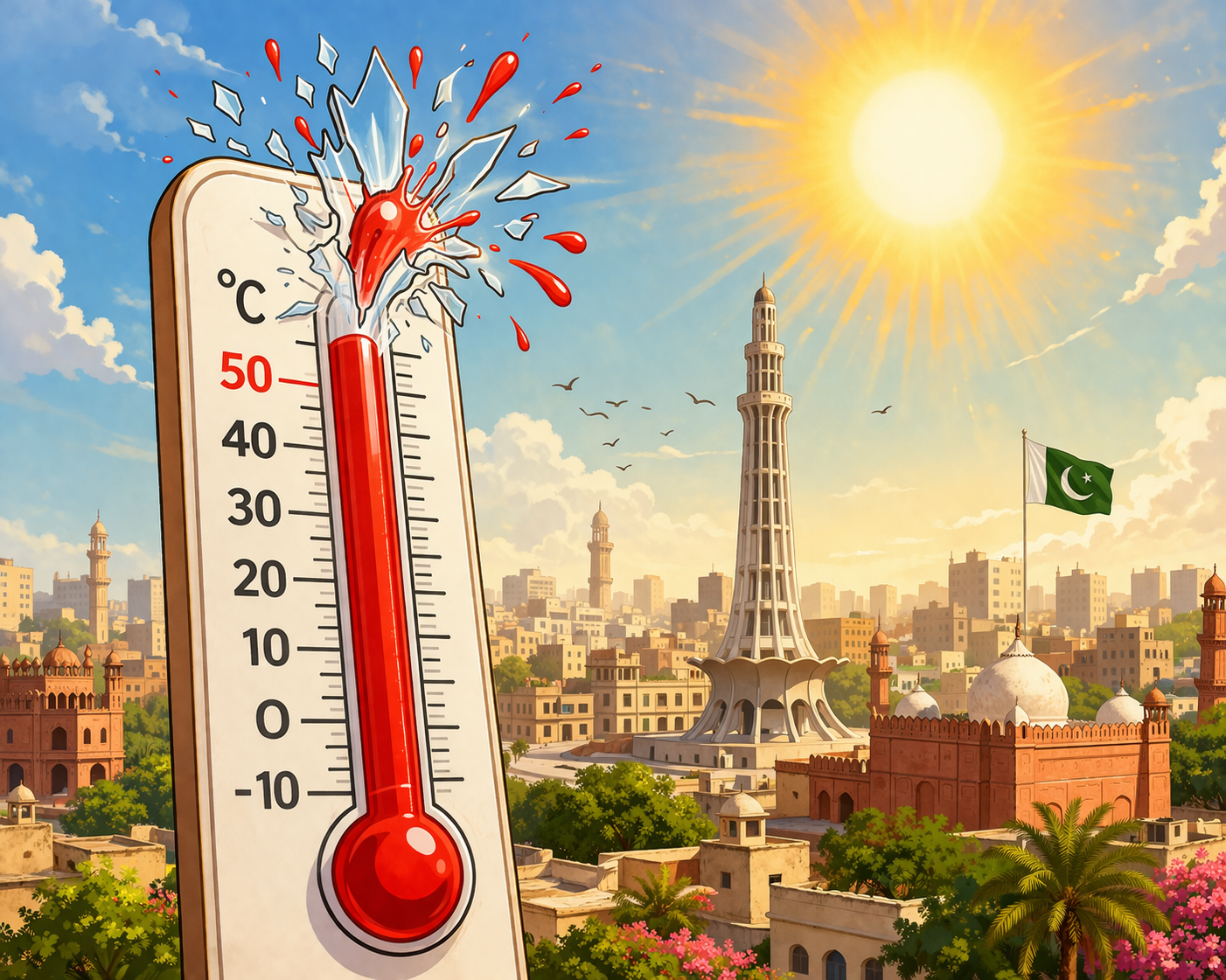
Have you ever stepped outside in June and felt like you walked into a giant oven? In Pakistan, summers are no joke. Some cities — like Jacobabad, Larkana, and Karachi — regularly hit temperatures above 50°C (122°F). That is hotter than a cup of freshly brewed tea!
Every year, heatwaves in Pakistan send thousands of people to hospitals. Many of them are children and older adults. The scary part? Most of these cases are completely preventable. With the right knowledge, the right ORS, the right hydration salts, and a few smart medicines, you and your family can stay safe even in the most brutal summer heat.
What Is a Heatwave and Why Is Pakistan So Vulnerable?
A heatwave is a long period of extremely hot weather — much hotter than normal for that time of year. It is not just one hot day. It is many days in a row where the heat keeps building up, like a pressure cooker with no release valve.
Pakistan sits in one of the hottest regions on Earth. The country faces intense summer heat from April through August, with peak heatwave conditions in May and June. Provinces like Sindh, Balochistan, and Southern Punjab are especially at risk.
What makes it worse is humidity — that sticky, heavy feeling in the air. When humidity is high, your sweat does not dry up quickly. Sweating is how your body cools itself down. Think of sweat as your body's personal air conditioning system. When that system gets overloaded, your body temperature rises dangerously fast.
Did you know? In 2015, a single heatwave in Karachi killed over 1,200 people in just one week. It remains one of the deadliest heatwave events in South Asian history. This is why preparation matters so much.
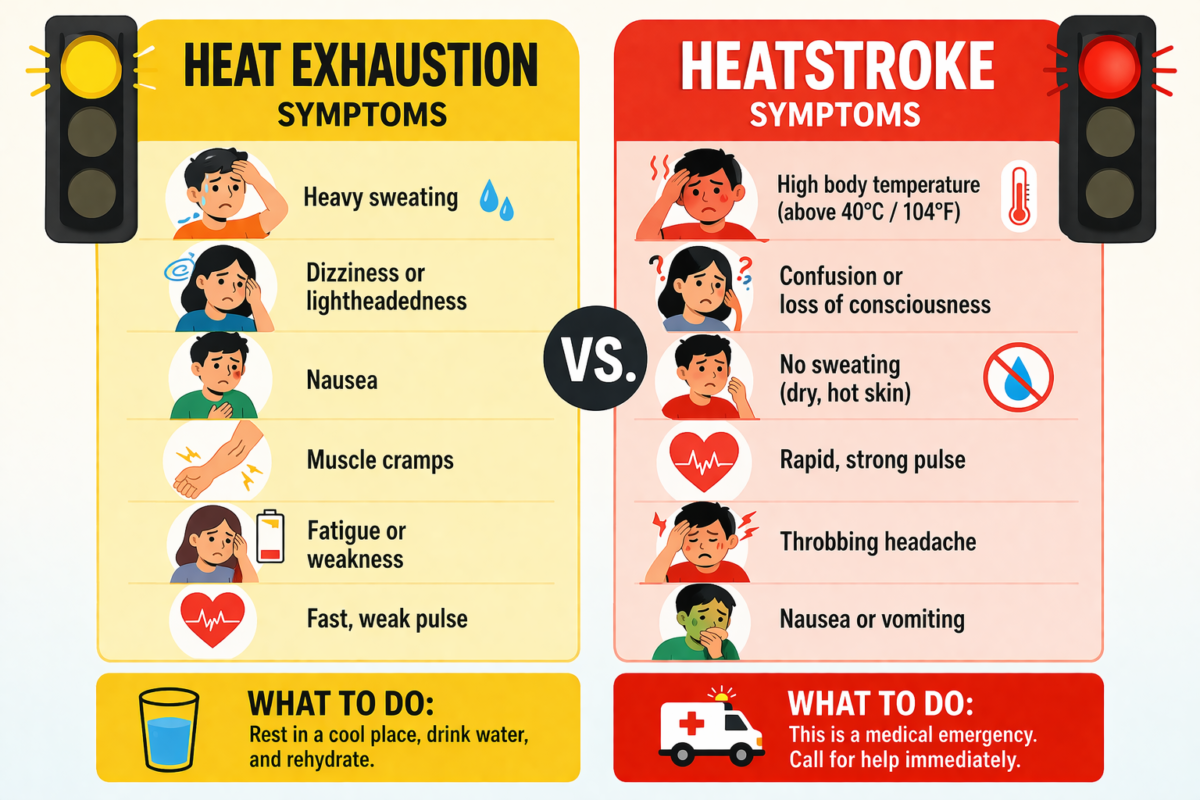
What Happens to Your Body During a Heatwave? Heat Exhaustion and Heatstroke Explained
Your body likes to stay at a steady temperature of around 37°C (98.6°F). When the outside temperature soars, your body works very hard to stay cool. It sweats. It sends blood to the skin. It asks you to drink more water.
However, when the heat is too extreme — or when you do not drink enough water — the body starts to struggle. This leads to two serious conditions:
Heat Exhaustion
Heat exhaustion is like your body's first warning signal. Signs include:
- Heavy sweating
- Feeling dizzy or lightheaded
- Nausea (feeling like you want to vomit)
- Muscle cramps — painful tightening of muscles, especially in the legs
- Pale or cool, clammy skin
- Weakness and tiredness
If you notice these signs, move to a cool place immediately. Drink water or ORS. Rest. Heat exhaustion is serious, but it is treatable at home if caught early.
Heatstroke — A Medical Emergency!
Heatstroke is when your body completely loses the ability to cool itself. It is a life-threatening emergency. Signs include:
- Body temperature above 40°C (104°F)
- Confusion or strange behaviour — the person seems lost or says things that do not make sense
- Dry, red, hot skin — no sweating at all
- Rapid heartbeat
- Loss of consciousness (fainting)
If someone shows heatstroke signs, call for help immediately and rush them to a hospital. Do not wait.
Best ORS and Hydration Salts to Use During a Heatwave in Pakistan
This is the most important section. When your body sweats heavily, it does not just lose water. It also loses electrolytes — special minerals like sodium, potassium, and chloride that keep your body working properly. Think of electrolytes as the battery charge inside your body's cells.
Plain water alone cannot replace these minerals fast enough. That is where ORS (Oral Rehydration Salts) and hydration salts come in. They are your single most powerful weapon against heatwave dehydration.
Top ORS and Hydration Options Available in Pakistan
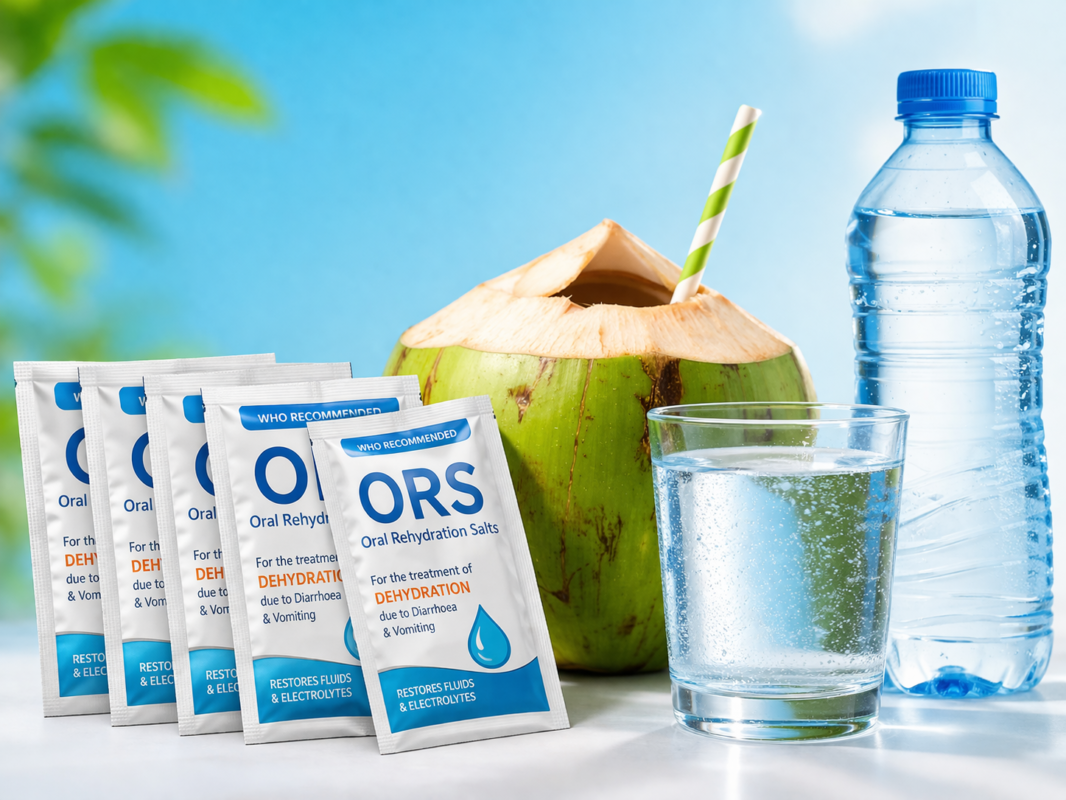
1. WHO-Standard ORS Sachets (Qumre / Nasogyl / Biosal ORS) These are the gold standard. Mix one sachet with one litre of clean, cool water. Stir well and sip slowly throughout the day. These sachets are available at every pharmacy in Pakistan for just a few rupees.
2. Electral Powder A popular hydration salt brand in Pakistan. It contains the right balance of glucose and electrolytes to rehydrate the body quickly. It is especially useful after heavy outdoor activity or during a fever in summer.
3. Homemade ORS (Namak Pani) No sachets at home? No problem! Mix:
- 1 litre of clean water
- 6 level teaspoons of sugar
- ½ teaspoon of salt
Stir until fully dissolved. This simple solution is recommended by the World Health Organization (WHO) as an emergency rehydration drink.
4. Coconut Water Fresh coconut water is a natural electrolyte drink. It contains potassium, magnesium, and natural sugars. It is not as powerful as medical ORS, but it is a wonderful supplement alongside it.
5. Rooh Afza with Water (Light) A very diluted Rooh Afza drink — one small spoon in a big glass of water — provides some sugar and fluid. However, do not rely on sweet drinks alone. Always prioritise ORS sachets during a heatwave.
How Much Should You Drink?
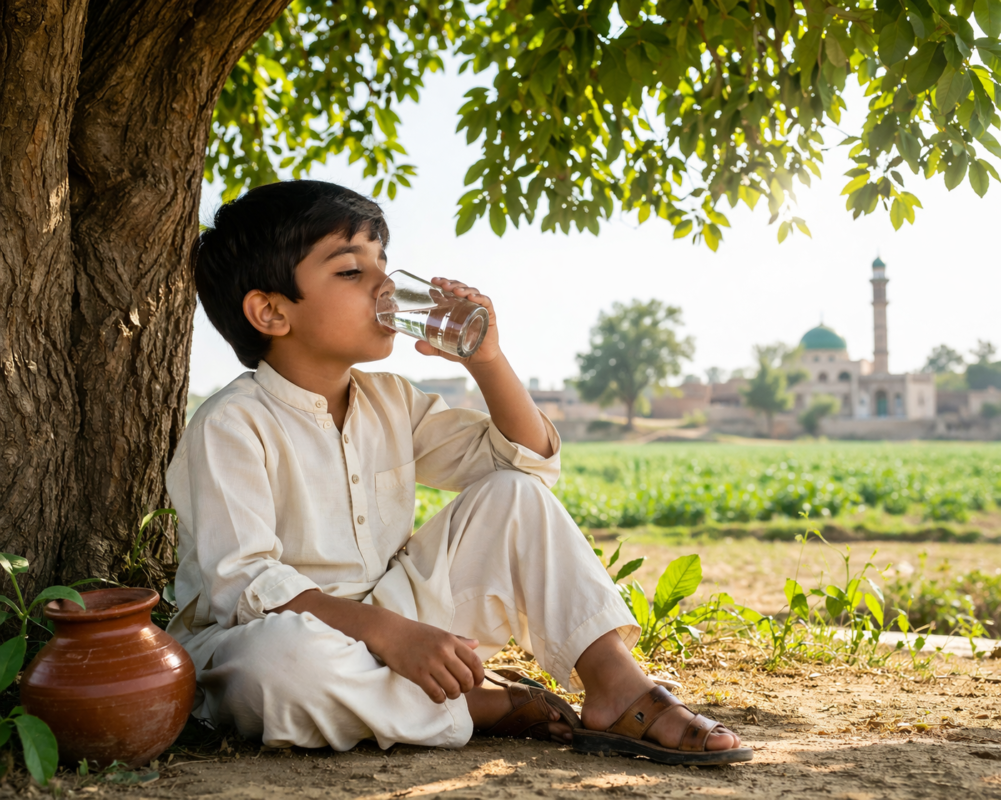
During a heatwave, aim for 8–12 glasses of water and fluids per day for adults, and 6–8 glasses for children. Do not wait until you feel thirsty. By the time you feel thirsty, you are already mildly dehydrated!
Medicines and First Aid for Heatwave-Related Illnesses in Pakistan
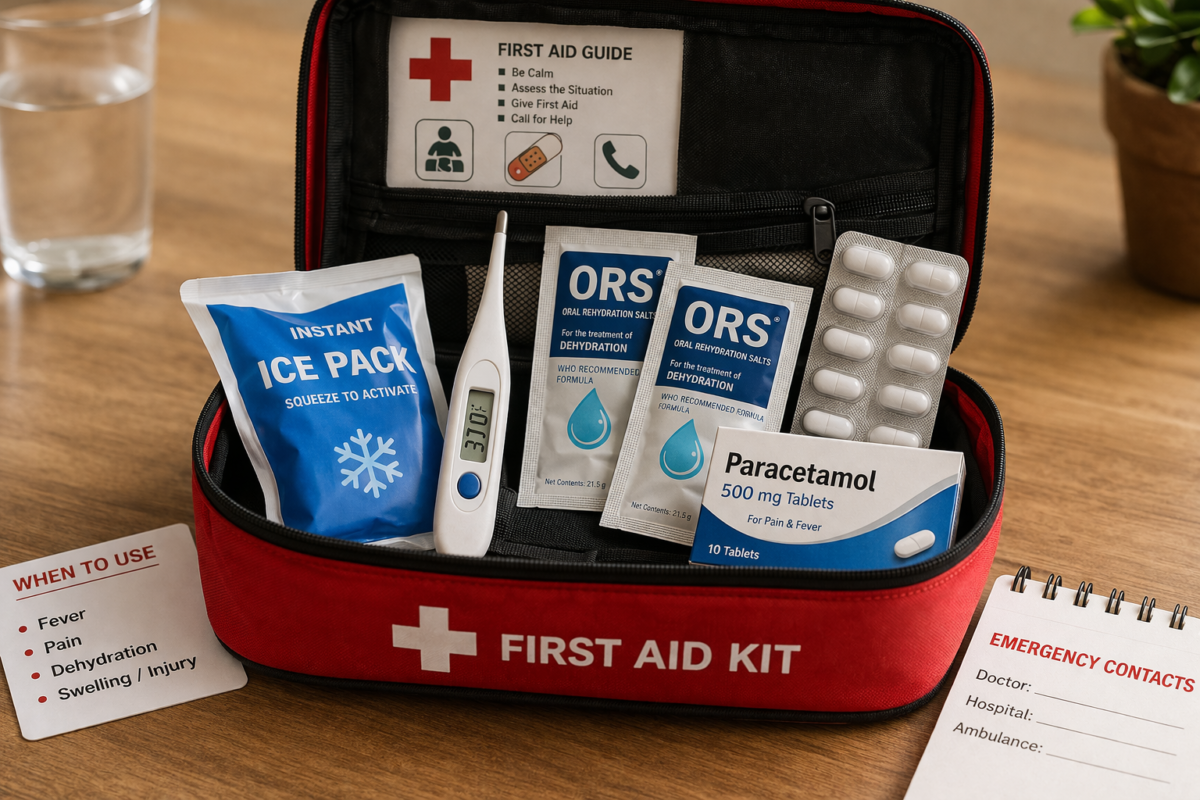
ORS and fluids are the heroes of heatwave care. However, some useful medicines and first-aid tools deserve a place in every Pakistani home during summer:
Paracetamol (Panadol / Calpol)
If someone has a fever alongside heat exposure, paracetamol can help bring the temperature down. However, it does not treat heatstroke on its own. It is a supporting tool — not the main solution.
Cold Compress or Ice Pack
Not a medicine, but extremely effective. Wrap ice cubes in a cloth and place them on the person's neck, armpits, and wrists. These spots have blood vessels close to the skin. Cooling them down quickly lowers the whole body's temperature.
Antihistamines for Heat Rash
Sometimes the heat causes a heat rash — tiny red, itchy bumps on the skin. A mild antihistamine like Cetirizine (Zyrtec) or a calamine lotion can soothe the irritation.
Digital Thermometer
Essential! Measure body temperature regularly during a heatwave, especially for children and elderly family members. A temperature above 39°C (102.2°F) needs immediate attention.
Smart Heatwave Prevention Tips Every Pakistani Child and Family Should Follow
The smartest strategy is to avoid heat illness before it starts. Here are practical, proven tips that work even in Pakistan's toughest summers:
Stay Indoors During Peak Hours
The hottest part of the day is usually 11 AM to 4 PM. If possible, stay indoors during these hours. Schedule outdoor play for early morning or after sunset.
Wear Light Clothing
Choose loose, light-coloured cotton clothes. Light colours reflect sunlight. Dark colours absorb it. Cotton allows your skin to breathe — unlike synthetic fabrics that trap heat.
Eat Light, Cool Foods
Heavy, oily foods make your body work harder to digest them, which generates more body heat. In summer, choose:
- Fresh fruits like watermelon, melon, and cucumber
- Yoghurt-based dishes like raita
- Light daal and rice instead of heavy korma or biryani
Never Leave Children or Pets in Parked Cars
A parked car in Pakistani summer heat can reach 70°C (158°F) inside within minutes. This is life-threatening. Never leave anyone inside a parked car — even for "just five minutes."
Keep Your Home Cool
Close curtains during the day to block sunlight. Open windows at night when the air cools. If you have a fan, place a bowl of ice in front of it — it works like a simple, cheap air cooler!
Key Takeaways: Your Heatwave Safety Checklist
Key Takeaways Box
| Topic | What to Remember |
|---|---|
| What is a heatwave? | Prolonged extreme heat — very dangerous in Pakistan's summers |
| Heat exhaustion signs | Sweating, dizziness, cramps, weakness — treat at home with ORS + rest |
| Heatstroke signs | Confusion, hot dry skin, no sweating — rush to hospital immediately |
| Best ORS options | WHO sachets, Electral, homemade Namak Pani, coconut water |
| How much to drink? | 8–12 glasses/day for adults; 6–8 for children — don't wait for thirst |
| Key medicines | Paracetamol, antihistamines for rash, ice packs, thermometer |
| Prevention | Stay indoors 11AM–4PM, wear cotton, eat light, keep cool |
| Never do this | Leave children in parked cars — ever! |
FAQ: Your Heatwave Questions Answered Simply
Q1. Is drinking cold water bad for you during a heatwave? No — cold water is perfectly fine and actually helps cool your body faster. However, avoid very icy drinks if your stomach is sensitive, as they can cause cramps. Cool or room-temperature water is ideal for most people.
Q2. Can a child get heatstroke from playing outside at school? Yes, absolutely. Children are more vulnerable than adults because their bodies heat up faster. Schools should limit outdoor activity during peak heat hours. If your child comes home very red, confused, or stops sweating despite the heat, seek medical help immediately.
Q3. How do I make ORS at home if I have no sachets? Mix 1 litre of clean water with 6 level teaspoons of sugar and half a teaspoon of salt. Stir until dissolved. Give small sips frequently — do not gulp it all at once. This recipe is approved by the World Health Organization as an emergency solution.
Conclusion: Stay Cool, Stay Safe This Heatwave Season in Pakistan!
A heatwave in Pakistan is a real and serious danger — but it does not have to be deadly. With ORS sachets stocked at home, clean drinking water always within reach, and smart habits like staying indoors during peak hours, you and your family can get through even the hottest summers safely.
Remember your golden rule: drink before you are thirsty, rest before you are exhausted, and act before it becomes an emergency. Keep your ORS sachets ready, your thermometer handy, and your curtains closed during the afternoon heat.
You now have all the tools you need. Use them!
Call to Action
Try this today! Count how many glasses of water you drink tomorrow. Did you reach 8? If not, challenge yourself and a friend to hit that goal together!
Tell us in the comments: What is your family's favourite summer drink to beat the heat? Lassi? Coconut water? Namak Pani? We want to know!
This article is for educational purposes only. Always consult a qualified doctor or healthcare professional for medical advice, especially in emergency situations.