


Blog
Complete Guide to Choosing Nutrition Supplements


Complete Guide to Choosing the Right Nutrition Supplements for Every Body
Imagine walking into a shop and seeing hundreds of colorful bottles, all promising to make you healthier, stronger, and smarter. Which one do you pick? It can feel confusing — even for adults. The truth is, choosing the right nutrition supplements does not have to be hard. With a little knowledge, anyone can make a smart, safe choice. This complete guide to choosing the right nutrition supplements will teach you exactly what to look for, what questions to ask, and how to avoid common mistakes. Let us make it simple, fun, and easy to understand.
Why Choosing the Right Nutrition Supplements Matters for Your Daily Health
Not all supplements are the same. Some are made for children. Some are made for adults. Some focus on bones. Others focus on energy or the immune system. Taking the wrong type — or the wrong amount — can sometimes do more harm than good.
Think of supplements like school supplies. You would not bring a paintbrush to a maths exam. In the same way, your body needs the right tools for the right job. A supplement that helps a grown man build muscle is not what a ten-year-old girl needs for healthy bone growth.
Choosing wisely means your body gets exactly what it is missing — nothing more and nothing less. Therefore, understanding your personal needs before buying anything is the most important first step.
Did you know? A large global study found that over 50 percent of people who take supplements choose them based on advertisements rather than actual health needs. That is like buying a winter jacket just because it looks cool, even though you live in a hot country.

Step One — Understanding Your Body's Nutritional Needs and Deficiencies
Before you buy anything, you need to know what your body actually needs. This step is the foundation of the complete guide to choosing the right nutrition supplements.
Every person is different. Your age, gender, diet, lifestyle, and health conditions all affect which nutrients you might be missing. A child who drinks milk every day probably gets enough calcium. However, that same child might not get enough Vitamin D if they spend most of their time indoors.
How to Identify a Nutritional Gap
The most accurate way is a blood test. A doctor takes a small sample of your blood and checks the levels of key vitamins and minerals. This tells you exactly what is low and what is fine.
However, you can also notice clues in your daily life. Feeling very tired all the time could signal low iron levels. Getting sick often might point to low Vitamin C or Vitamin D. Dry, flaky skin sometimes indicates a lack of healthy fats like omega-3 fatty acids.
Once you understand your gap, choosing the right supplement becomes much easier. You stop guessing and start making a real, informed decision.

Step Two — Reading Labels and Understanding Supplement Ingredients Correctly
Supplement labels can look confusing at first. They are full of long words and numbers. However, once you know what to look for, they become much easier to read.
What to Check on Every Supplement Label
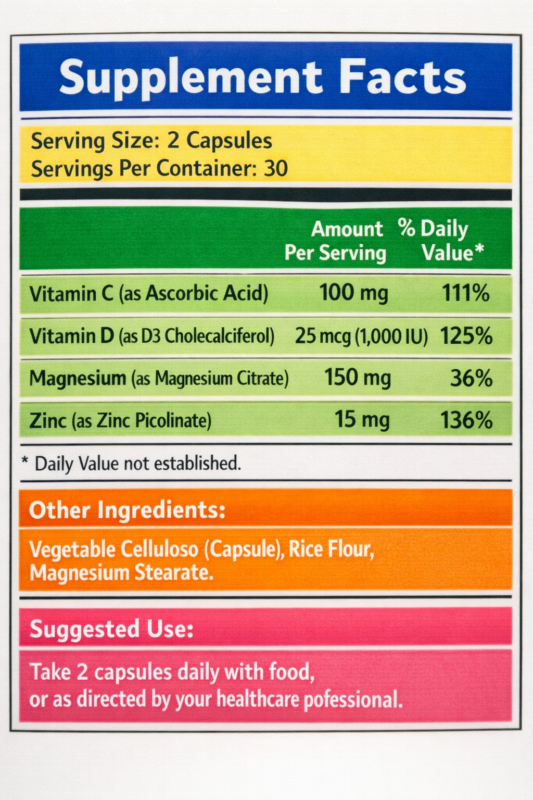
The first thing to look for is the serving size. This tells you how much counts as one dose. Next, look at the percentage of the Daily Value, written as "% DV." This number tells you how much of your daily need one serving covers. For example, if a Vitamin C tablet says 100% DV, one tablet gives you your full daily requirement.
Also check the ingredient list carefully. Good supplements have a short, clean list. Be cautious of products with many artificial colors, flavors, or fillers — ingredients that add no real health benefit. These are often signs of a lower-quality product.
In addition, always look for a quality certification on the label. Trusted marks include USP Verified, NSF Certified, or GMP Certified. These symbols mean an independent organization has tested the product and confirmed it contains what it says it does.
Step Three — Choosing the Right Form and Type of Nutrition Supplement
Supplements come in many different forms. Tablets, capsules, gummies, powders, liquids, and chewables are the most common. Each form has its own advantages.
Gummies and chewable tablets are popular with children because they taste good and are easy to swallow. However, they sometimes contain added sugar, so it is important to check the label. Capsules are great for adults because they are easy to swallow with water and absorb quickly. Powders can be mixed into drinks and are useful for people who struggle to swallow tablets.
Liquid supplements absorb into the bloodstream the fastest. They are especially useful for younger children or people who have difficulty with solid forms. However, they sometimes cost more than tablets or capsules.
The best form is simply the one you will actually take consistently every day. A perfect supplement that sits in the cupboard unused helps nobody. Therefore, pick a form that fits your daily routine naturally.
Whole Food Supplements vs. Synthetic Supplements
Whole food supplements are made from concentrated real foods — like spinach, berries, or fish. Synthetic supplements are made in a laboratory to copy the same molecules. Both can be effective. However, whole food supplements sometimes include additional natural compounds that work together with the main nutrient, making absorption slightly better.
For most people, either type works well when taken regularly and in the correct dose.

Step Four — Avoiding Common Mistakes When Selecting Health Supplements
Many people make avoidable mistakes when choosing nutrition supplements. Knowing these in advance saves you money, time, and potential health issues.
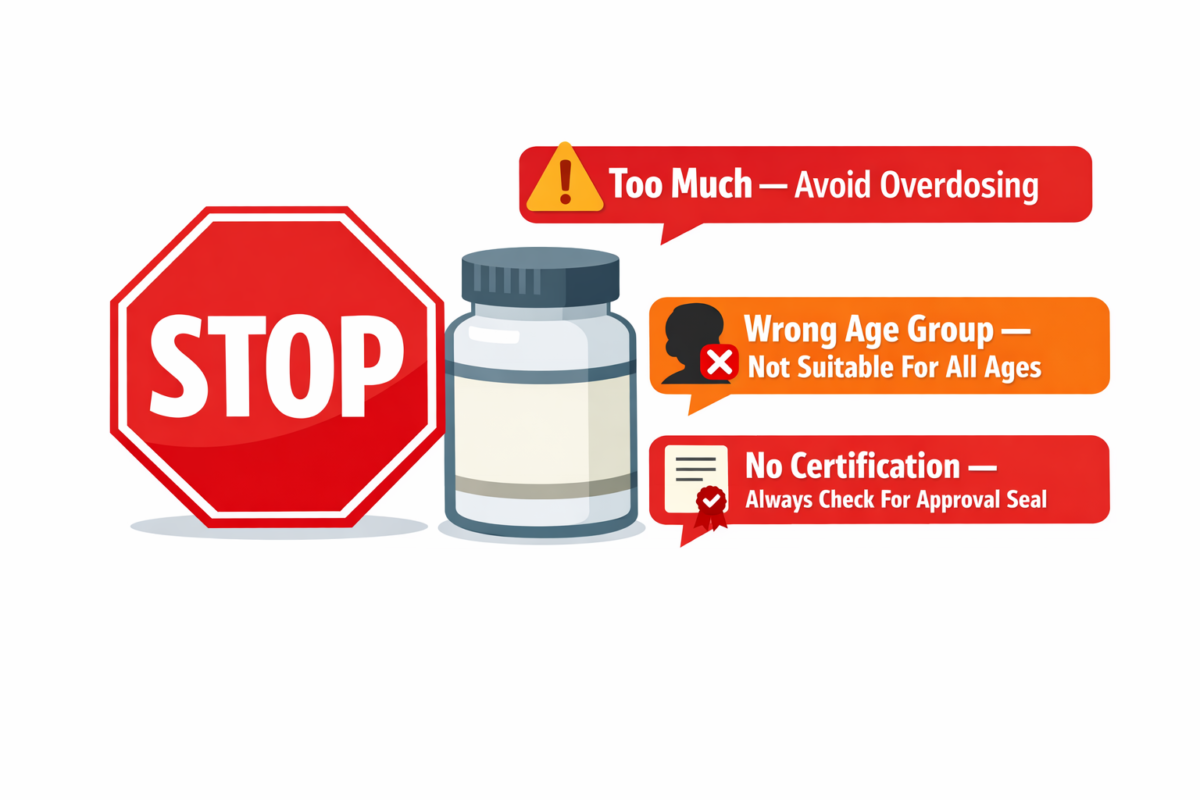
The biggest mistake is taking too much. More does not always mean better. Fat-soluble vitamins — Vitamins A, D, E, and K — are stored in your body. If you take too much over a long period, they can build up and cause problems. Water-soluble vitamins like Vitamin C and B vitamins are safer in higher amounts because your body flushes out extras. However, balance is always the wisest approach.
The second common mistake is ignoring interactions. Some supplements interact with medications or with each other. For example, calcium can block iron absorption when taken at the same time. Therefore, spacing them out across the day solves this problem easily.
The third mistake is buying based on price alone. The cheapest supplement is not always the worst choice, and the most expensive is not always the best. Quality certifications and ingredient transparency matter far more than price tags.
Always consult a healthcare professional before starting a new supplement routine. This is especially important for children, pregnant women, and anyone managing a health condition. You can find trusted, government-backed supplement guidance at NIH Office of Dietary Supplements — ods.od.nih.gov, which provides free, science-based information for families.
You can also read our complete guide to the best daily nutrition supplements for health in 2026 to build a well-rounded daily routine based on your specific goals.
Step Five — Building a Simple and Consistent Daily Supplement Routine
Once you have chosen the right supplements, the next challenge is staying consistent. A supplement only works when you take it regularly.
The easiest method is to connect supplement-taking to something you already do every day. For example, take your supplement right after breakfast. Since you eat breakfast every morning anyway, this habit stacks easily on top of your routine. Health experts call this method habit stacking — and it works remarkably well for children and adults alike.
Keep your supplements in a visible place, like next to the breakfast table or beside your toothbrush. Out of sight often means out of mind. A small weekly pill organizer also makes it easy to track whether you have taken your daily dose.
In addition, track how you feel over four to six weeks. Many people notice improvements in energy, sleep quality, or how often they get sick. These small signs tell you that your supplement plan is working. If you notice no difference after two months, revisit your choices with a doctor.
Key Takeaways
| Step | What to Do |
|---|---|
| Understand Your Needs | Identify nutritional gaps through diet review or a blood test |
| Read Labels Carefully | Check serving size, % Daily Value, and quality certifications |
| Choose the Right Form | Pick tablets, gummies, liquids, or capsules based on your lifestyle |
| Avoid Common Mistakes | Do not overdose, ignore interactions, or buy based on ads alone |
| Build a Daily Routine | Use habit stacking and keep supplements visible for consistency |
| Always Consult a Doctor | Professional advice ensures safety, especially for children |
Frequently Asked Questions
Q1. How do I know which nutrition supplement is right for me? Start by thinking about your diet and daily habits. If you avoid certain food groups, you may be missing key nutrients. A doctor can run a simple blood test to check your levels and recommend the right supplement based on real data, not guesswork.
Q2. Is it safe to take multiple supplements at the same time? Some combinations are perfectly safe and even work better together, like Vitamin D and calcium. However, others interfere with each other, like calcium and iron. Always research combinations carefully or ask a pharmacist to guide you before mixing supplements.
Q3. Can a healthy diet replace nutrition supplements completely? For many people, a well-balanced diet covers most nutritional needs. However, factors like limited sun exposure, food allergies, or specific health conditions can create gaps that food alone cannot fill. Supplements bridge those gaps safely when chosen correctly.
Your Next Step Starts Today
Now you have a complete guide to choosing the right nutrition supplements from start to finish. You know how to identify your needs, read labels, pick the best form, avoid costly mistakes, and build a routine that actually sticks.
The most important thing to remember is this — supplements are helpers, not magic. They work best alongside a healthy diet, good sleep, regular movement, and proper hydration. Together, these habits give your body the strongest possible foundation for a healthy life.
Start with one clear step. Identify one nutritional gap. Ask a trusted adult or doctor for guidance. Then choose one supplement that genuinely fits your need. Small, informed decisions made consistently lead to lasting results.
Tell us in the comments: What is the one thing about choosing the right nutrition supplement that you found most helpful today?