


Blog
Feeling Weak? Supplements That Boost Your Energy Fast

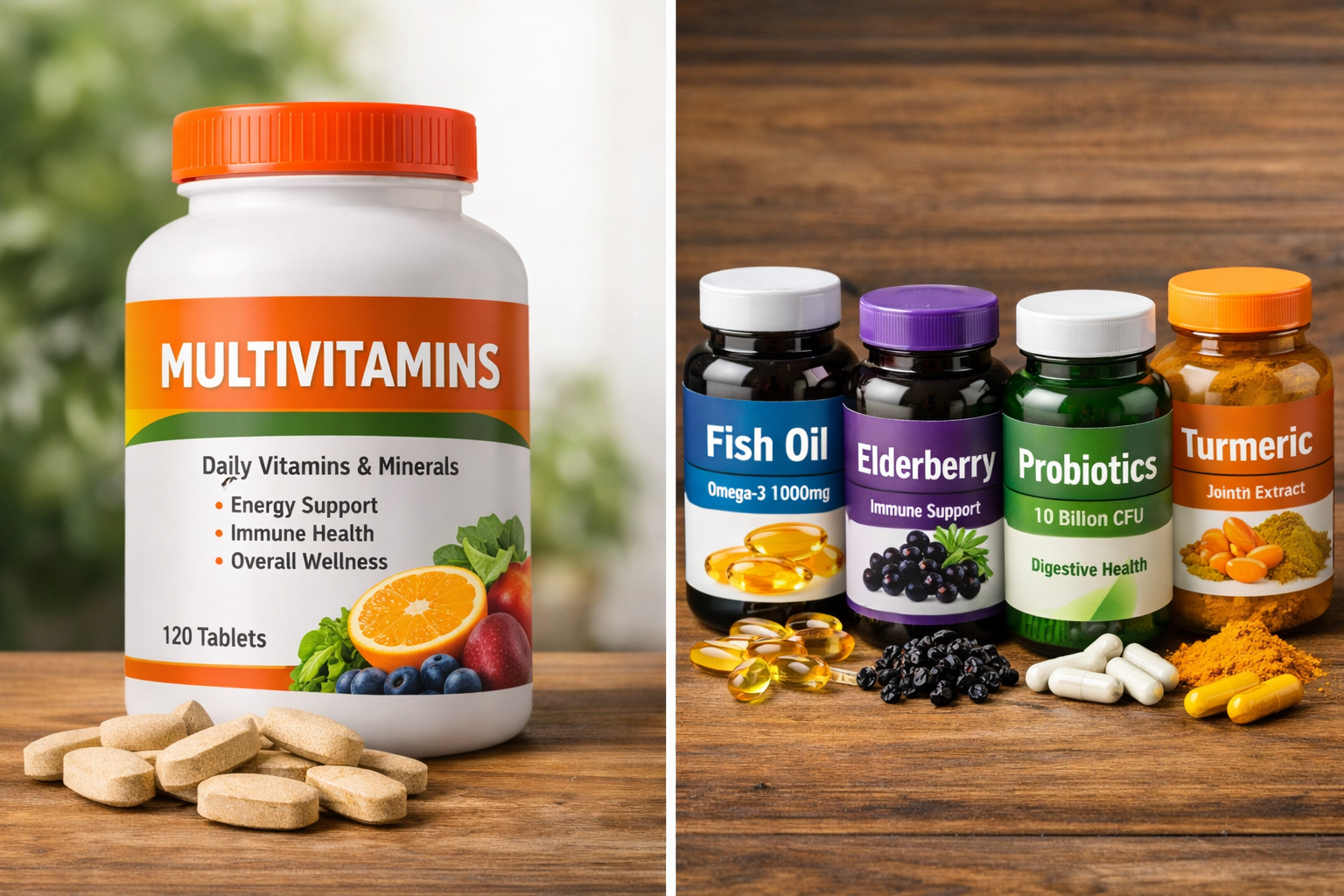
Feeling Weak? These Supplements Can Boost Your Energy Fast and Safely
Have you ever woken up after a full night of sleep and still felt completely exhausted? Maybe you dragged yourself through school, struggled to focus in class, and came home feeling like you had already run a marathon — without actually doing anything at all. That kind of deep, lingering tiredness is more common than you might think. The good news is that feeling weak is often a sign your body is simply missing something important. The right energy-boosting supplements can fill those gaps quickly and help you feel strong, focused, and full of life again. This guide will show you exactly which supplements boost your energy fast, how they work, and how to use them safely.
Why You Feel Weak and How Energy-Boosting Supplements Can Help
Tiredness is your body sending you a message. Just like a phone flashes a low battery warning before it shuts down, your body signals weakness when its fuel levels drop too low. Understanding the message helps you respond to it correctly.
There are many reasons why people feel weak or low on energy. Poor sleep is one cause. A diet missing key nutrients is another. Stress, lack of physical activity, and certain health conditions also play a role. However, one of the most common and overlooked causes of daily fatigue is nutritional deficiency. That means your body is not getting enough of certain vitamins or minerals to produce energy properly.
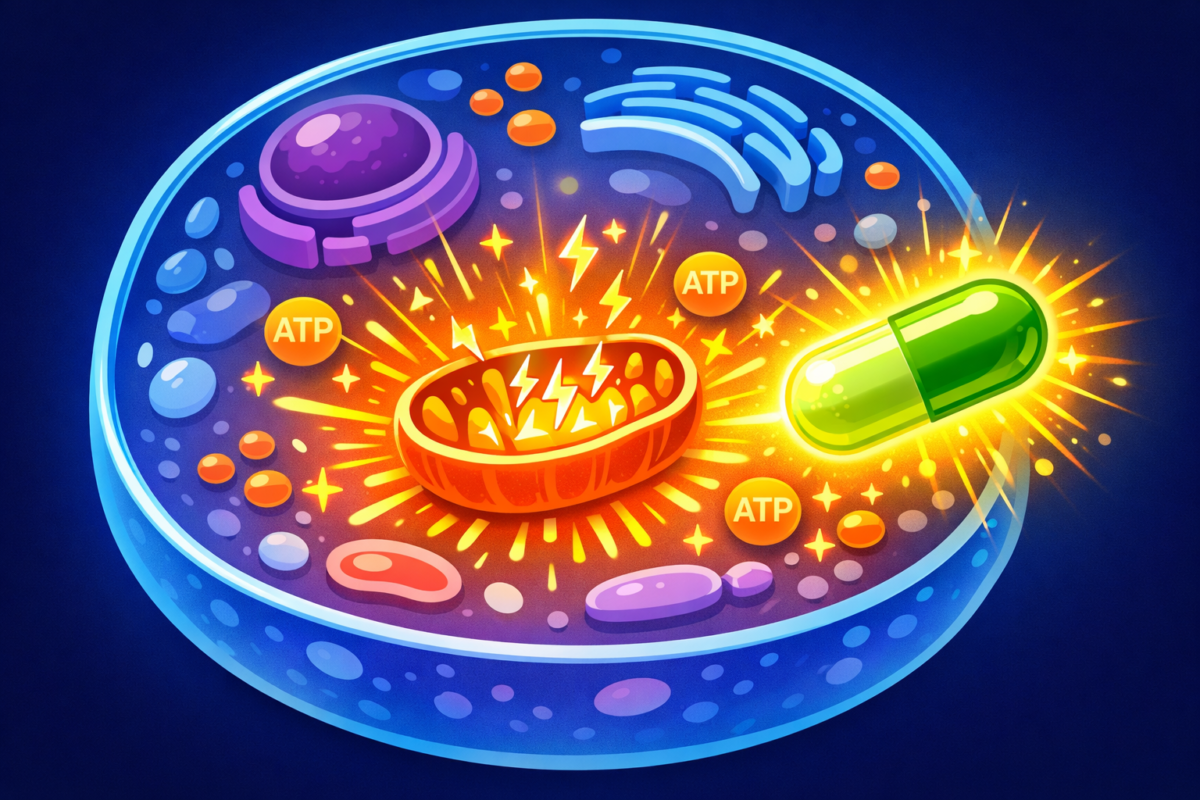
Your body creates energy through a complex process that happens inside every single cell. Think of each cell as a tiny power station. These power stations need specific raw materials — vitamins, minerals, and other nutrients — to generate electricity for your body. When those raw materials are missing, the power stations slow down. You feel weak, sluggish, and unmotivated as a result.
This is exactly where energy-boosting supplements step in. They deliver the missing raw materials directly to your cells, helping those power stations run at full capacity again.
Did you know? Iron deficiency is the most common nutritional deficiency in the world. The World Health Organization estimates that over two billion people globally have iron levels low enough to affect their daily energy and concentration. That is more than a quarter of the entire world's population walking around feeling unnecessarily tired.
Feeling Weak From Iron Deficiency? Why Iron Is the Number One Energy Supplement
When most people think of tiredness, they do not immediately think of iron. However, iron is the most important mineral for energy production in the human body. Understanding why makes it much easier to appreciate why iron supplements are often the first recommendation doctors make for people who feel chronically weak.
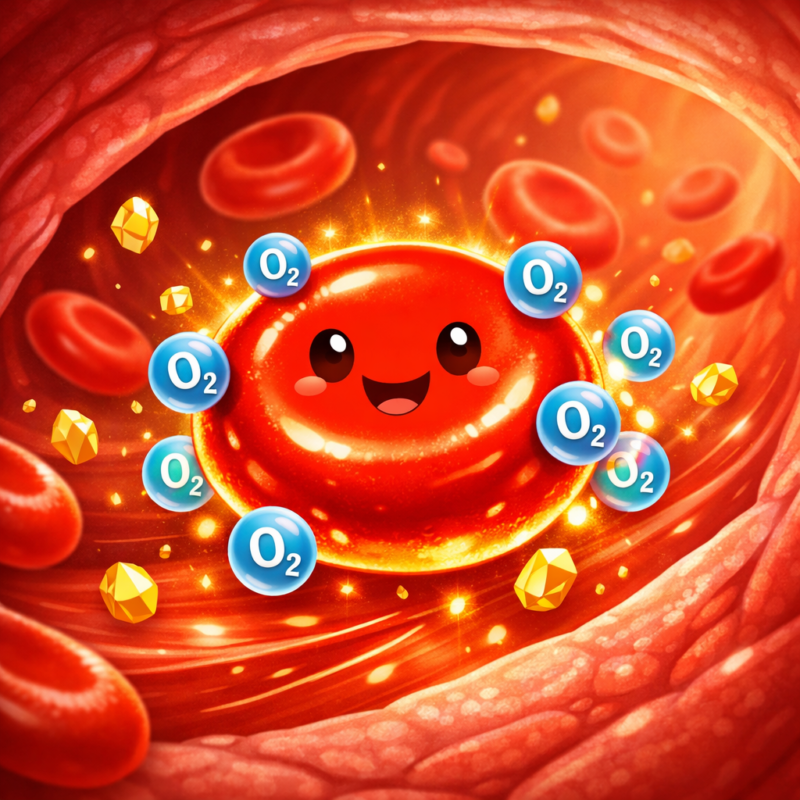
Iron is used by your red blood cells to carry oxygen from your lungs to every other part of your body. Oxygen is what your cells use to burn fuel and produce energy. When your iron levels are low, your red blood cells cannot carry enough oxygen. Your muscles, brain, and organs all receive less fuel. The result is a heavy, exhausted feeling that no amount of sleep can fully fix.
Low iron is called iron deficiency anaemia. Anaemia means your blood is not working as efficiently as it should. It is especially common in growing children, teenage girls, and women. Pale skin, cold hands, frequent headaches, and difficulty concentrating alongside tiredness are common signs of anaemia.
An iron supplement, taken at the correct dose under medical guidance, can noticeably improve energy levels within two to four weeks of consistent use. Taking iron with a source of Vitamin C — like a small glass of orange juice — helps your body absorb it much more effectively.
However, iron supplements should only be taken if a doctor has confirmed low iron levels through a blood test. Taking iron when your levels are already normal provides no benefit and can cause digestive discomfort.
B Vitamins and Magnesium — Essential Nutrients That Supplement Your Energy Systems
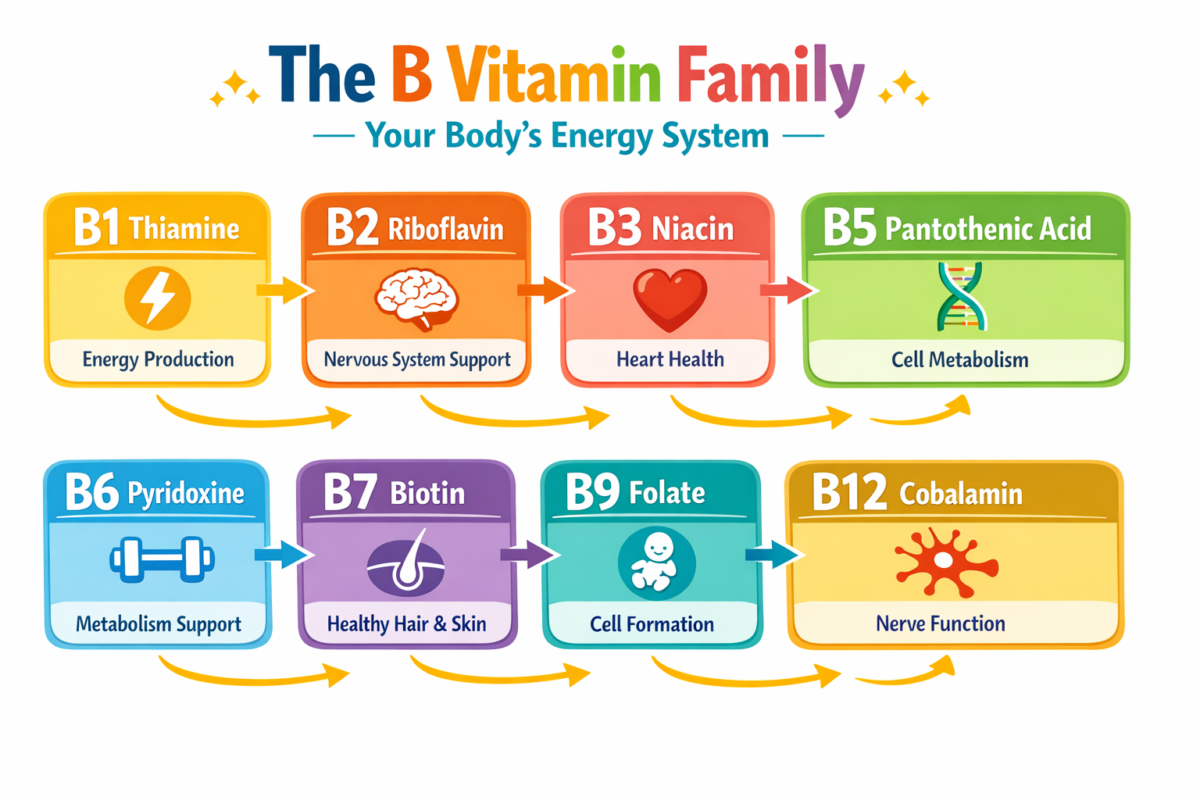
If iron is the fuel carrier, B vitamins are the engine mechanics. They keep your body's energy production system running smoothly at every stage. The B vitamin family includes eight different vitamins — B1, B2, B3, B5, B6, B7, B9, and B12 — and each one plays a specific role in converting the food you eat into usable energy.
Vitamin B12 — The Energy and Focus Vitamin
Vitamin B12 is arguably the most important B vitamin for fighting fatigue. It supports the production of red blood cells, protects your nervous system, and helps your body release energy from protein and fat. People who feel mentally foggy, physically weak, and emotionally flat often discover their B12 levels are below optimal.
B12 is found almost exclusively in animal products — meat, fish, eggs, and dairy. Therefore, vegetarians and vegans are at significantly higher risk of B12 deficiency. A daily B12 supplement or a B-complex supplement that includes all eight B vitamins is a straightforward and effective solution.
Magnesium — The Relaxation and Energy Mineral
Magnesium is involved in over three hundred chemical reactions inside your body. One of its most important roles is supporting the energy production process inside your cells. Without enough magnesium, your cells struggle to complete the energy cycle efficiently, leading to muscle weakness, poor sleep, and persistent tiredness.
Magnesium also helps your muscles relax properly after activity. When magnesium is low, muscles stay tense longer, which wastes extra energy and leaves you feeling more drained after even light physical effort.
Dark leafy greens, nuts, seeds, and whole grains contain magnesium. However, many children and adults do not eat enough of these foods regularly. A magnesium supplement in the evening is a popular and effective choice because it also supports deeper, more restorative sleep — which further improves daytime energy levels.
Feeling Weak Because of Low Vitamin D? How This Sunshine Supplement Restores Energy
Vitamin D has a reputation mainly for building strong bones. However, its role in energy levels is just as significant and far less well known. Researchers have consistently found a strong link between low Vitamin D levels and persistent fatigue, muscle weakness, and low mood.
Your body makes Vitamin D when your skin is exposed to direct sunlight. However, most children and adults in modern life spend the majority of their days indoors — in classrooms, offices, and homes. During winter months, the sunlight in many countries is not strong enough to trigger Vitamin D production at all, even for people who do go outside regularly.
Think of Vitamin D like a key. Your cells have tiny locks on them, and Vitamin D is the key that opens those locks to allow energy production to begin. Without enough keys, many locks stay shut, and your energy output drops significantly below what it should be.
A Vitamin D3 supplement — the most absorbable form — taken daily with a meal that includes healthy fat is one of the most effective ways to restore energy levels for people who spend limited time in direct sunlight. Many doctors now routinely test Vitamin D levels during general health checks, particularly in regions with long winters or limited sunshine.
In addition, Vitamin D works closely with magnesium. Magnesium helps your body convert Vitamin D into its active form. Therefore, taking both together often produces better results than either one alone.

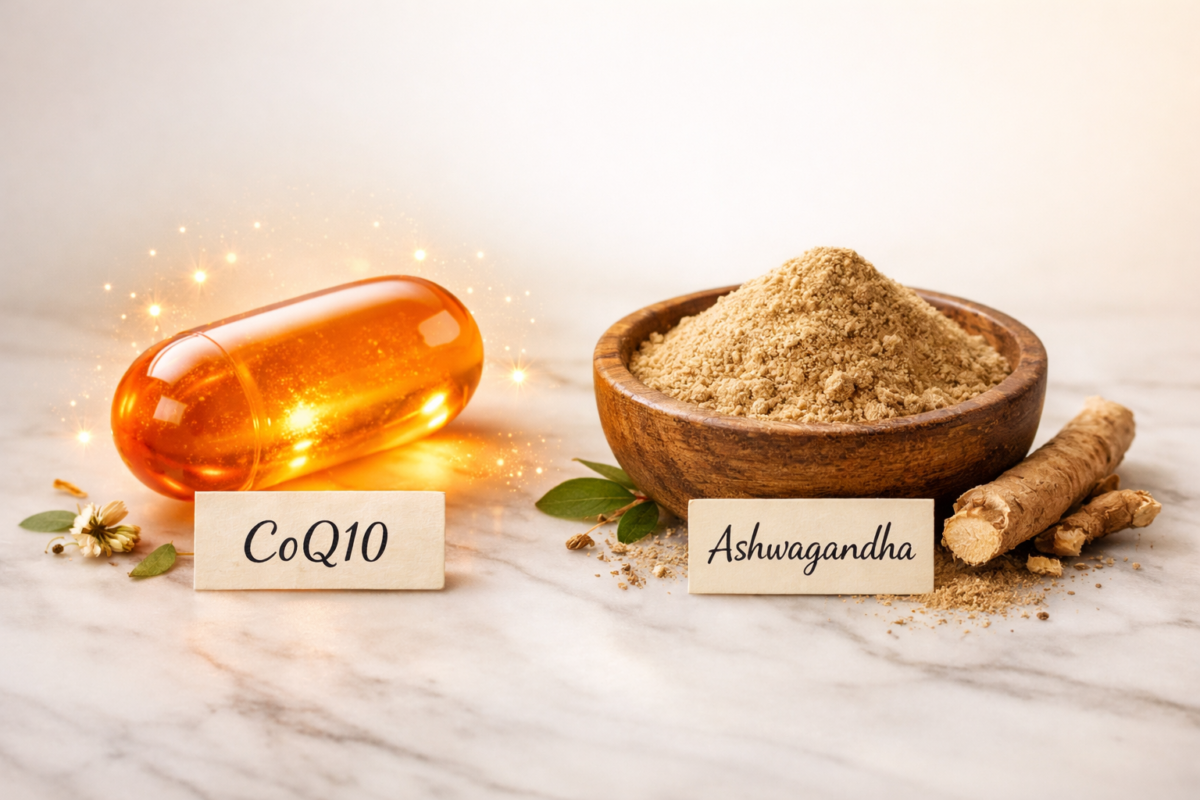
Coenzyme Q10 and Ashwagandha — Powerful Energy Supplements for Beginners
Beyond the classic vitamins and minerals, two lesser-known supplements have earned strong reputations for fighting fatigue and restoring natural energy. These are Coenzyme Q10 and ashwagandha.
Coenzyme Q10 — The Cellular Energy Catalyst
Coenzyme Q10 — often written as CoQ10 — is a natural compound found inside every cell in your body. It plays a direct role in the final stage of cellular energy production. Think of CoQ10 as the spark plug in a car engine. Without the spark plug, the engine cannot fire up, no matter how much fuel is present.
Your body produces CoQ10 naturally. However, production declines with age and can also drop due to chronic stress, illness, or certain medications. A CoQ10 supplement supports the energy-producing parts of your cells directly, which is why many people report noticeable improvements in physical stamina and mental clarity within a few weeks of starting it.
CoQ10 is fat-soluble, meaning it absorbs best when taken with a meal that contains healthy fats. It is generally considered safe and well-tolerated for most people.
Ashwagandha — The Stress-Fighting Energy Herb
Ashwagandha is an ancient herbal supplement used in traditional medicine for thousands of years. Modern research has confirmed what traditional healers always knew — ashwagandha helps the body manage stress, and managing stress directly restores energy.
When you are stressed — from exams, arguments, busy schedules, or worry — your body releases a hormone called cortisol. Cortisol in small amounts is useful. However, consistently high cortisol levels drain your energy, disturb your sleep, and leave you feeling constantly depleted. Ashwagandha lowers cortisol levels, allowing your body to redirect that wasted energy back into useful daily functions.
For children under sixteen, ashwagandha supplements should only be taken under direct medical supervision. For older teenagers and adults, a standard dose taken in the evening is generally safe and effective.
For trusted, research-backed information on both CoQ10 and ashwagandha safety and dosing, visit the NIH Office of Dietary Supplements at ods.od.nih.gov, where experts review the latest science on supplements for general readers.
You can also read our expert safety guide on whether nutrition supplements are right for beginners before starting any new supplement routine.
How to Use Energy-Boosting Supplements Safely and Get the Fastest Results
Knowing which supplements boost your energy fast is only half the answer. Knowing how to take them correctly is what actually produces results. Here are the most important practical rules for beginners.
First, always confirm the cause of your fatigue with a doctor before buying supplements. A simple blood test can check your iron, B12, Vitamin D, and magnesium levels in one visit. This removes guesswork entirely and tells you exactly which supplements your body actually needs.
Second, take your energy supplements consistently every day. Most supplements take two to six weeks of daily use before their full effect becomes noticeable. Skipping doses slows progress significantly. Connect your supplement routine to an existing habit — like breakfast or brushing your teeth — so you never forget.
Third, combine your supplements with lifestyle habits that support energy naturally. Drink enough water throughout the day. Dehydration alone causes significant tiredness. Sleep at least eight to ten hours if you are a growing child or teenager. Eat regular, balanced meals that include protein, healthy fats, and complex carbohydrates. Supplements work best as part of a healthy daily routine — not as a replacement for one.
In addition, always store energy supplements away from heat and moisture. A cool, dry drawer or cupboard is ideal. Avoid keeping them in the bathroom, where steam from showers degrades their quality over time.
Finally, review your supplement plan every three months. As your nutrient levels improve, your dosing needs may change. A follow-up blood test confirms whether your levels have normalized and whether you can reduce or adjust your supplementation going forward.
Key Takeaways
| Supplement | Why It Boosts Energy |
|---|---|
| Iron | Carries oxygen to cells for fuel production; essential for fighting anaemia-related fatigue |
| Vitamin B12 | Converts food into usable energy; supports red blood cell production and mental clarity |
| B-Complex Vitamins | All eight B vitamins together support the entire cellular energy production process |
| Magnesium | Powers energy cycles inside cells; supports muscle recovery and deeper sleep |
| Vitamin D3 | Opens cellular energy pathways; especially critical for people with limited sun exposure |
| Coenzyme Q10 | Acts as a cellular spark plug in the final stage of energy production |
| Ashwagandha | Lowers stress hormone cortisol, which directly restores natural energy reserves |
| Golden Rule | Always confirm deficiencies with a blood test before starting any energy supplement |
Frequently Asked Questions
Q1. How quickly will energy supplements start working for someone who feels weak? The timeframe depends on how deficient you are and which supplement you take. Iron and B12 supplements often produce noticeable improvements in energy within two to four weeks of consistent daily use. Vitamin D and magnesium typically take four to six weeks. Ashwagandha for stress-related fatigue often shows results within two to three weeks. Consistency every day is what drives results — missing doses significantly slows progress.
Q2. Can children take energy supplements if they feel tired at school? Children should not take energy supplements without first consulting a doctor. Persistent tiredness in a child is a health signal that deserves proper investigation, not just supplementation. A doctor can run blood tests to identify the real cause and recommend a safe, age-appropriate supplement if needed. Many children's multivitamins include iron, B12, and Vitamin D at appropriate doses, which is often sufficient for general fatigue prevention.
Q3. Are caffeine-based energy supplements safe for fighting tiredness? Caffeine supplements and energy drinks are not recommended as a solution for fatigue, especially for children and teenagers. Caffeine artificially stimulates your nervous system but does not address the underlying nutritional cause of tiredness. It also disrupts sleep quality, which makes fatigue worse over time. The supplements discussed in this guide work by correcting genuine deficiencies — which produces real, lasting energy improvement rather than a temporary, artificial boost followed by a crash.
Take the First Step Toward More Energy Today
Feeling weak does not have to be your normal. Your body is remarkably good at recovering when it receives the right support. Now you know that the right energy-boosting supplements — iron, B vitamins, magnesium, Vitamin D, CoQ10, and ashwagandha — can genuinely help your body produce the energy it is designed to generate every single day.
The most important step is also the simplest one. Book a basic blood test with your doctor. Find out which specific nutrients your body is missing. Then choose the targeted supplement that matches your real need. Combine it with good sleep, balanced food, and enough water. Stay consistent for at least a month.
That is the complete, honest, science-backed path from feeling weak to feeling genuinely strong. It is not complicated. It just requires the right knowledge — and now you have it.
Tell us in the comments: Which energy supplement are you most curious to learn more about, and why?