


Blog
Are Nutrition Supplements Safe? Expert Beginner Guide

Are Nutrition Supplements Safe? Expert Guide for Beginners Who Want Better Health
Here is a question worth thinking about. Your friend tells you that a particular supplement gave them loads of energy. Your neighbour says the same supplement made them feel sick. How can the same product affect two people so differently? The answer tells you something very important about supplement safety. Are nutrition supplements safe? The honest answer is — it depends entirely on how, when, and why you use them. This expert guide for beginners will walk you through everything you need to know in plain, simple language. No confusing science words. No scare tactics. Just clear, trustworthy information that helps you make smart choices.
Understanding What Nutrition Supplements Are and How They Work in Your Body
Before we talk about safety, it helps to understand what supplements actually do inside your body. This foundation makes everything else much easier to understand.
Your body runs on nutrients. Nutrients are tiny substances found in food that keep every part of you working — your brain, your muscles, your bones, your blood, and even your skin. Most of the time, a balanced diet provides these nutrients naturally. However, gaps appear when your diet is limited, when your body needs extra support during illness, or when certain life stages demand more nutrition than usual.
A nutrition supplement is a product you take alongside food to fill those gaps. It comes in the form of a tablet, capsule, gummy, powder, or liquid. Supplements include vitamins, minerals, herbal extracts, amino acids, and fatty acids like omega-3.
Think of your body like a busy factory. Food is the main supply truck delivering raw materials. A supplement is the emergency delivery van that brings the specific materials the main truck missed that day. The factory keeps running smoothly because nothing is left short.
Did you know? The United States Food and Drug Administration — known as the FDA — reports that Americans spend over 35 billion dollars on dietary supplements every year. Yet many of those buyers have never checked whether their chosen product is safe or appropriate for their age and health condition.

Are Nutrition Supplements Safe for Children and Beginners to Use Daily?
This is the question most parents and beginners ask first — and rightly so. The straightforward answer is that most well-known nutrition supplements are safe for healthy people when taken correctly and in appropriate doses.
The key phrase there is "taken correctly." Safety is not a fixed yes or no. It is a relationship between the right product, the right person, the right dose, and the right timing.
For children, safety depends heavily on choosing age-appropriate products. Supplements formulated for adults often contain doses that are far too high for a child's smaller body. Taking an adult Vitamin A supplement, for example, can cause headaches, nausea, and long-term liver stress in children. However, a children's chewable multivitamin with the same vitamin at a child-appropriate dose is perfectly safe and even beneficial.
For beginners of any age, safety improves dramatically when you start slowly. Introducing one supplement at a time allows you to notice how your body responds before adding anything else. This approach removes guesswork and makes it much easier to identify the cause if any reaction occurs.
The Role of Dose in Supplement Safety
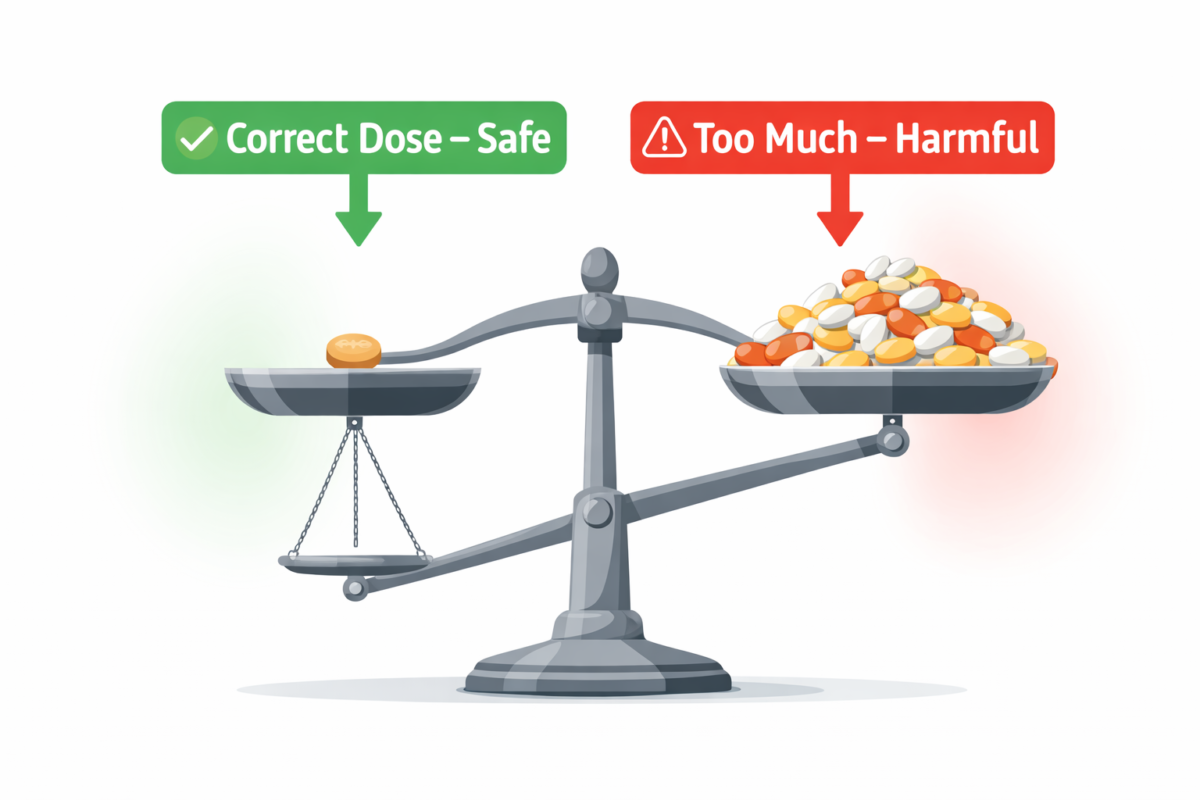
Dose means the amount you take at one time. Every supplement has a recommended daily dose printed on the label. This number is carefully calculated to provide benefit without causing harm. Staying within that dose is the single most important safety rule for any beginner.
More is not better when it comes to supplements. In fact, taking too much of certain vitamins can cause real harm. Fat-soluble vitamins — Vitamins A, D, E, and K — are stored in your body rather than flushed out. If these build up over time from excessive dosing, they can reach toxic levels. Water-soluble vitamins like Vitamin C and the B vitamins are safer at higher amounts because your kidneys remove the excess. However, balance and moderation remain the golden rules across all types.
Common Safety Risks of Nutrition Supplements Every Beginner Should Know
Being informed about risks does not mean supplements are dangerous. It simply means you are prepared. A responsible beginner understands both the benefits and the potential pitfalls before starting any new health routine.
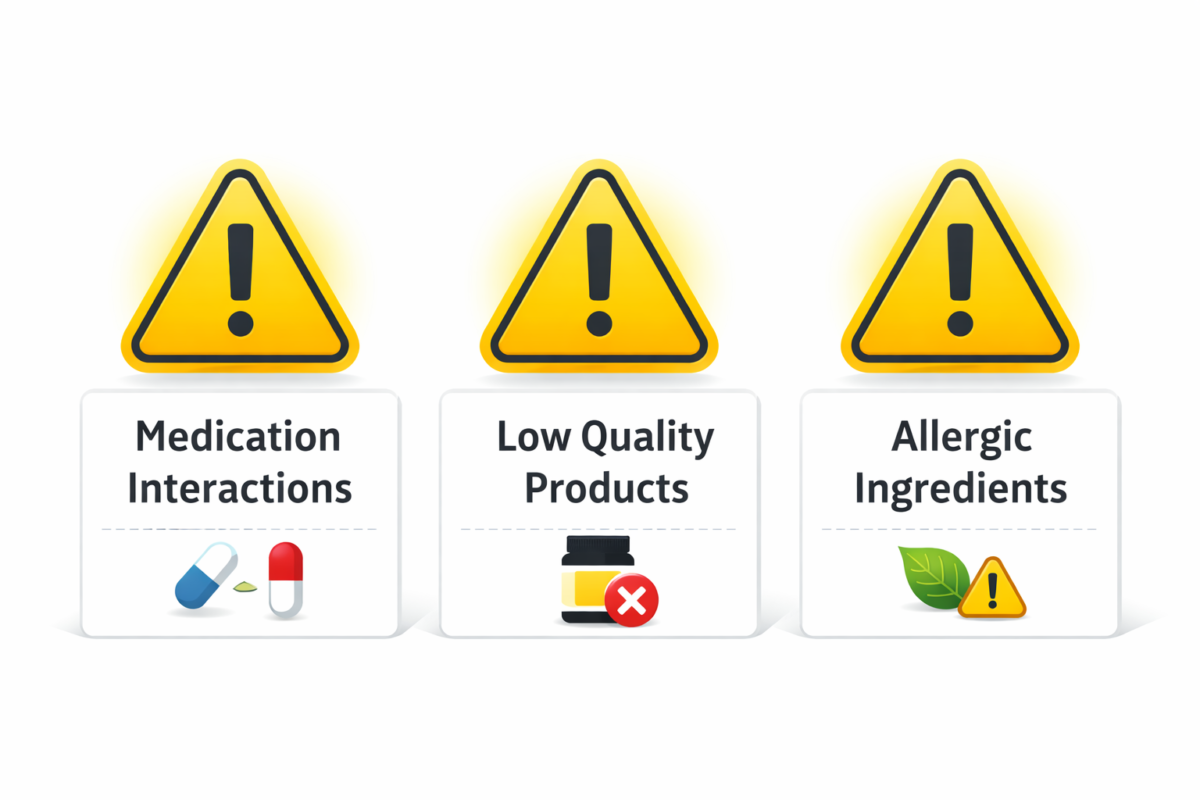
Risk One — Supplement and Medication Interactions
Some supplements interact with medicines. An interaction means the two substances affect each other in unexpected ways. For example, high doses of Vitamin E can thin the blood. If someone already takes blood-thinning medication, adding a Vitamin E supplement could make the effect dangerously strong.
St John's Wort, a popular herbal supplement used for low mood, is well known for reducing the effectiveness of several common medications. This is a real and documented risk that beginners must take seriously.
Therefore, if you or your child takes any regular medication — including asthma inhalers, allergy tablets, or prescribed vitamins — always check with a doctor or pharmacist before adding a new supplement to the routine.
Risk Two — Unregulated or Low-Quality Products
Not all supplement brands follow strict manufacturing standards. In many countries, supplements are not tested as rigorously as prescription medicines before they reach shop shelves. This means some products may contain less of the stated ingredient than promised, or in rare cases, undisclosed substances that could cause reactions.
The safest way to avoid this risk is to look for third-party certification marks on the label. Symbols like USP Verified, NSF Certified for Sport, or Informed Sport mean an independent laboratory has tested and verified the product. These marks are your strongest signal of a trustworthy, accurately labeled supplement.
Risk Three — Allergic Reactions to Supplement Ingredients
Some supplements contain fillers, coatings, or natural extracts that certain people are allergic to. Gelatin capsules, for instance, are not suitable for vegetarians and can cause reactions in people with specific animal protein sensitivities. Some herbal supplements contain plant families related to common allergens like ragweed or daisies.
Always read the full ingredient list — including the inactive ingredients section — before taking any new supplement for the first time.
Are Nutrition Supplements Safe When Bought Online? What Beginners Must Check
Online shopping has made supplements easier to access than ever before. However, it has also made it easier for misleading or unsafe products to reach consumers. Beginners who shop online need to apply extra caution.
First, always buy from the official website of a recognized brand or from a trusted retailer. Avoid unknown third-party sellers on general marketplaces, especially those offering dramatically low prices with unusually bold health claims.
Second, be very cautious of supplements that promise instant or miraculous results. Phrases like "lose 10 kilograms in one week" or "cure any illness overnight" are clear warning signs. Genuine, science-backed supplements make honest, realistic claims. They describe supporting health — not curing diseases.
Third, check the product's country of manufacture and regulatory status. Supplements made and sold in countries with strong food safety regulations — such as the United Kingdom, the United States, Australia, or members of the European Union — go through more oversight than those from unregulated markets.
For free, expert-reviewed safety information on thousands of individual supplements, visit the NIH Office of Dietary Supplements at ods.od.nih.gov. This is a trusted, government-backed resource that gives accurate, research-based answers about supplement safety for all age groups.
You can also read our complete guide to choosing the right nutrition supplements for a full, beginner-friendly walkthrough of how to select safe and effective products from the start.
Expert Safety Tips for Using Nutrition Supplements Wisely Every Day
Now that you understand the risks, here are the positive, practical steps that make supplement use safe, effective, and worry-free for beginners of all ages.
Always start with a conversation. Before buying your first supplement, speak to a doctor, pharmacist, or registered nutritionist. Explain your diet, your health goals, and any existing conditions. This five-minute conversation can save you from months of trial and error.
Take supplements with food unless the label specifies otherwise. Food improves absorption for most supplements and reduces the chance of stomach discomfort. Fat-soluble vitamins — A, D, E, and K — absorb best when taken with a meal that contains some healthy fat, like eggs, avocado, or nuts.
Store supplements correctly. Heat, moisture, and direct sunlight degrade the quality of most supplements over time. Keep them in a cool, dry place, away from bathroom steam or kitchen heat. Always check the expiry date before use — expired supplements lose potency and may in rare cases cause irritation.
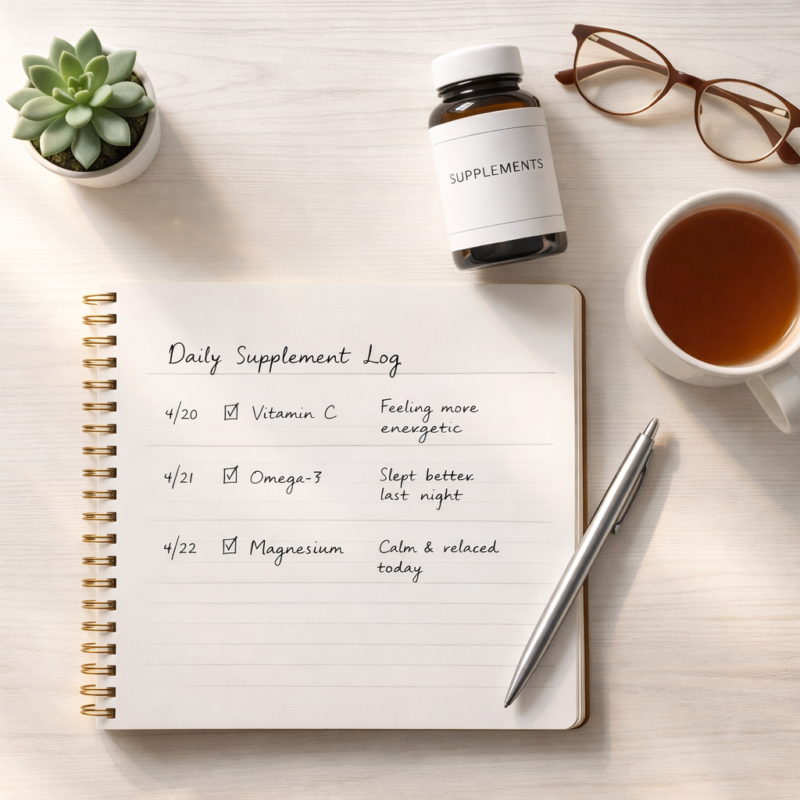
In addition, keep a simple health journal for the first month of any new supplement routine. Note how you feel each morning, your energy levels, sleep quality, and any unusual symptoms. This record helps you track progress and quickly spot any negative reactions that need attention.
Finally, review your supplement routine every three to six months. Your needs change with age, seasons, diet shifts, and health status. What was the right supplement choice six months ago may no longer be the most appropriate option today.
Key Takeaways
| Topic | Key Point |
|---|---|
| Primary Keyword | Nutrition supplements are safe when chosen correctly and taken at the right dose |
| Correct Dosing | Always follow label instructions — too much of certain vitamins can be harmful |
| Medication Interactions | Check with a doctor before combining supplements with any regular medicine |
| Quality Certification | Look for USP, NSF, or Informed Sport marks to confirm product safety |
| Online Safety | Buy only from trusted, recognized brands and avoid miracle-claim products |
| Children's Safety | Always choose age-appropriate formulas — adult doses are not safe for children |
| Expert Advice | A pharmacist or doctor can confirm the safest supplement plan for your needs |
| Daily Best Practice | Take supplements with food, store them correctly, and review your routine regularly |
Frequently Asked Questions
Q1. Can children take adult nutrition supplements if the dose is cut in half? No, this is not a safe approach. Children's supplements are formulated differently from adult ones — not just in dose, but in the specific forms of nutrients used. Always choose a supplement made and tested specifically for your child's age group. Cutting adult tablets in half does not guarantee a safe or accurate dose for a child's body.
Q2. What are the signs that a nutrition supplement is not safe or not working for me? Common signs that a supplement may not suit you include nausea, headaches, stomach upset, unusual skin reactions, or changes in urine color. These signs do not always mean the supplement is dangerous — sometimes they indicate the wrong dose or the wrong timing. Stop taking the supplement and consult a pharmacist or doctor if any of these symptoms appear and persist.
Q3. Are herbal and natural supplements automatically safer than synthetic ones? Not necessarily. Natural does not always mean safe. Several herbal supplements have strong biological effects on the body and can interact with medications or cause allergic reactions. For example, high-dose ginger supplements can affect blood clotting, and licorice root in large amounts can raise blood pressure. Always research any herbal supplement carefully and seek professional advice before use, regardless of how natural the source is.
Your Safe Supplement Journey Starts With One Smart Step
So, are nutrition supplements safe? Yes — when you choose wisely, follow dosing guidelines, buy from certified brands, and seek professional advice when needed. Supplements have helped millions of people improve their energy, strengthen their immunity, and fill nutritional gaps that food alone could not cover.
However, safety is always a shared responsibility between the product, the person, and the plan. As a beginner, your greatest advantage is knowledge — and now you have it. You know what to look for, what to avoid, and how to use supplements as the helpful tools they are meant to be.
Start with one conversation with a trusted adult or health professional. Identify one clear health goal. Choose one well-certified, age-appropriate supplement to begin. Then track your progress, stay consistent, and adjust as you learn more about your body's needs.
Good health is built one informed decision at a time. You have already made a great one today by reading this guide.
Tell us in the comments: What is the one supplement safety tip from this article that surprised you the most?